Our Location
1893/3414 P Duga Deorali Sitay, Kamaray Road, Rangpo, Gangtok, Sikkim, 737172

1893/3414 P Duga Deorali Sitay, Kamaray Road, Rangpo, Gangtok, Sikkim, 737172

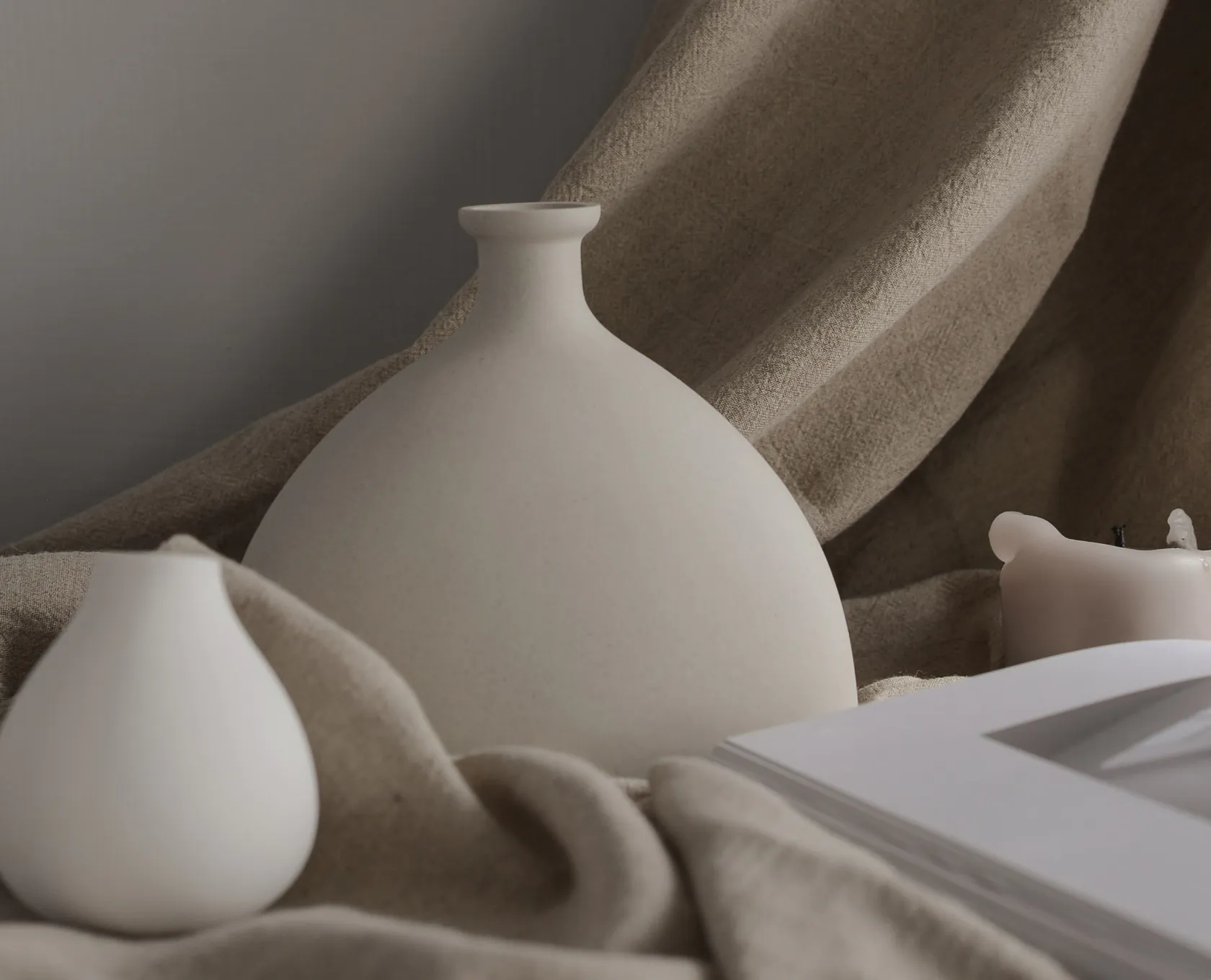
Bespoke art pieces are not simply decorations; they are the result of a creative collaboration between a discerning client and a skilled artist, culminating in a one-of-a-kind creation that tells a personal story. This process goes far beyond choosing an existing work and involves the meticulous curation of a tailor-made piece that resonates with the client’s identity and space.
The process of commissioning bespoke art
Final installation: The finished piece is carefully framed, packaged, and installed in the client’s space by professionals, ensuring the artwork is presented flawlessly.
Initial client vision: The journey begins with an in-depth conversation to understand the client’s needs. This includes their aesthetic preferences, desired emotional impact, and the context of the piece—such as its location and surrounding decor.
Artist selection and concept design: Based on the client’s vision, a skilled artist is selected whose style and medium are a perfect match. The artist then develops and refines a concept, often producing preliminary sketches or 3D renderings to ensure the client’s wishes are met before production begins.
Material and medium exploration: The artist and client work together to select the medium, which could include:
Canvas paintings: The client can specify the size, subject, and color palette for a truly custom oil or acrylic piece.
Wall sculptures: For a more textural and dimensional statement, artists can create wall-mounted sculptures from metal, wood, or other materials, with designs that can be digitally fabricated and then finished by hand.
Mixed media: Some artists combine materials to create unique pieces, such as relief sculptures with layers of wood and intricate detailing.
Creation and refinement: The artist brings the concept to life, keeping the client updated with progress photos. The process may include several rounds of feedback to ensure every detail, from composition to color, is perfect.
For those with a deep appreciation for textiles, bespoke fabrics offer the pinnacle of personalization, transforming ordinary upholstery or curtains into unique works of art.
The craftsmanship behind bespoke fabrics
